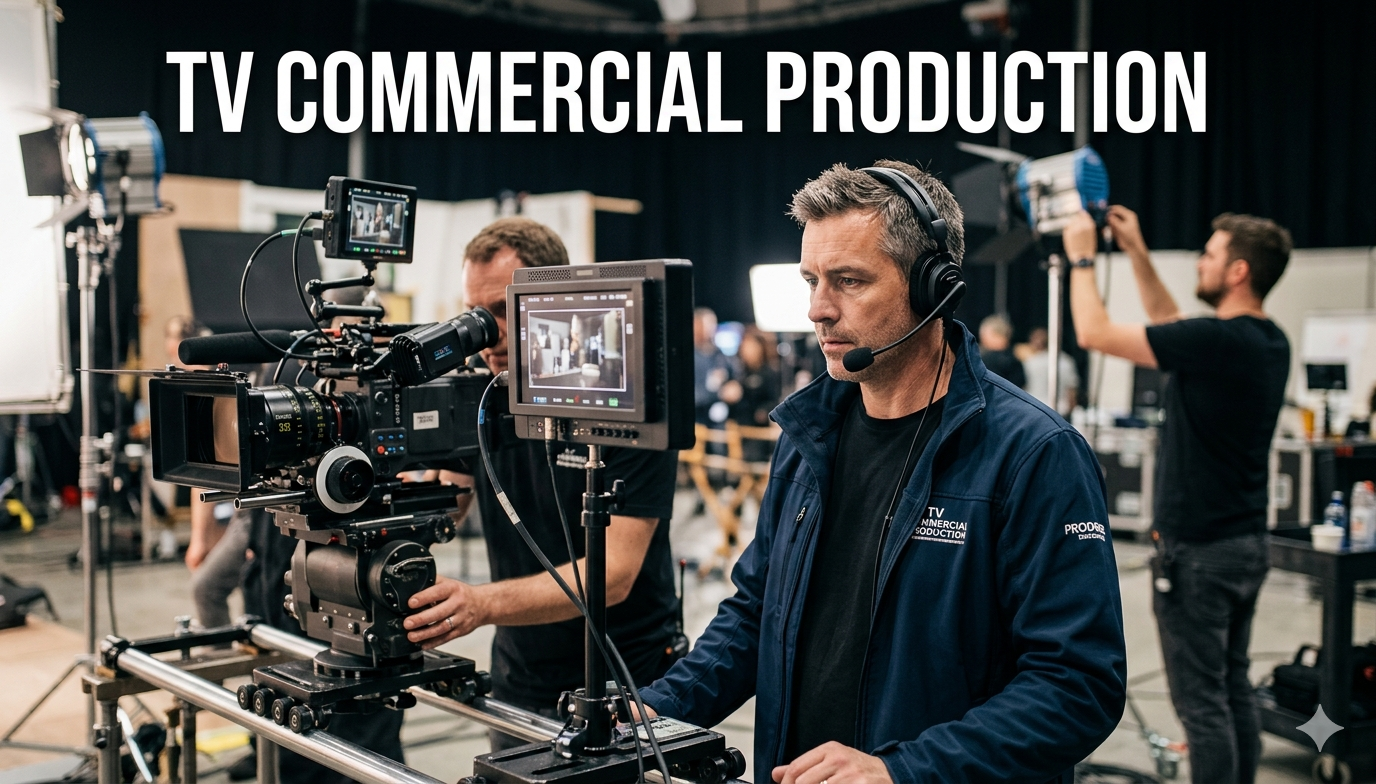
In the modern marketing landscape, TV Commercial Production has become a central pillar for brand communication. Businesses rely on it to connect with audiences through visual storytelling, emotional appeal, and structured messaging that leaves a lasting impression. The evolution of digital broadcasting has further expanded the role of TV Commercial Production, making it a critical investment for companies seeking visibility across competitive markets. It bridges the gap between brands and consumers by transforming ideas into compelling visual narratives that can influence purchasing decisions. Over time, this form of advertising has grown beyond simple promotional clips into sophisticated storytelling tools that integrate creativity, psychology, and strategic planning. As audience expectations continue to rise, TV Commercial Production must adapt by incorporating innovation, high-quality visuals, and targeted messaging that resonates with diverse demographics. Its importance lies not only in promotion but also in shaping brand perception and long-term recognition in the minds of viewers.
Evolution Of Advertising Industry
Over the decades, advertising has transformed significantly. Traditional print and radio methods once dominated communication, but the rise of television introduced a more dynamic and visually engaging medium. TV Commercial Production played a major role in this transformation, allowing brands to visually express their identity and values to a wider audience. As technology advanced, production techniques also improved, enhancing the quality, creativity, and realism of advertisements. The shift from analog to digital systems further revolutionized the industry, making editing, filming, and distribution more efficient. In earlier times, commercials were simple and direct, but modern campaigns focus on storytelling and emotional connection. Today, TV Commercial Production integrates advanced tools such as computer generated visuals and cinematic techniques, which elevate the overall viewing experience. This evolution has allowed advertisers to create more immersive content that not only informs but also entertains and engages audiences at a deeper level, ultimately strengthening brand communication strategies.
Pre Production Planning
Pre production is the foundation of any successful advertising campaign. It involves scripting, casting, location scouting, budgeting, and conceptual development. Effective planning ensures that TV Commercial Production aligns with brand goals and delivers a coherent message that resonates with the target audience. During this stage, creative teams collaborate to develop storyboards that visually map out each scene, ensuring clarity before filming begins. Detailed planning helps reduce production risks and minimizes unnecessary costs, making the entire process more efficient. Market research is also conducted to understand audience preferences and tailor the message accordingly. Every element, from dialogue to visual tone, is carefully considered to maintain consistency and impact. Without proper preparation, even the most creative ideas may fail to translate effectively on screen. This stage also ensures that all departments, including direction, cinematography, and set design, work in harmony to bring the concept to life smoothly and professionally.
Filming Process
The filming stage brings creative concepts to life through cameras, lighting, sound, and direction. Each scene is carefully executed to maintain consistency, quality, and visual appeal. During this stage, TV Commercial Production teams coordinate closely to ensure that every shot aligns with the storyboard and creative vision. Directors guide actors and crew members to achieve the desired performance and mood, while cinematographers focus on framing, lighting, and camera movement to enhance storytelling. Attention to detail is crucial at this stage, as even minor inconsistencies can affect the final output. Multiple takes are often required to capture the perfect shot, ensuring that the final footage meets professional standards. Set design and costume selection also play a significant role in creating a believable environment that supports the narrative. The filming process requires teamwork, precision, and creativity to transform written ideas into visually engaging content that captures audience attention effectively.
Post Production Techniques
Post production involves editing, sound design, color correction, and visual effects. This stage refines raw footage into a polished final product that meets professional standards. TV Commercial Production depends heavily on post production to enhance storytelling, improve visual quality, and strengthen emotional impact. Editors carefully select the best shots, arrange sequences, and ensure smooth transitions that maintain viewer engagement. Sound designers add background music, voiceovers, and effects that complement the visuals and enhance the overall experience. Color grading is used to create mood and consistency across scenes, while visual effects can add depth and creativity to the final output. This stage also includes reviewing and refining the content to ensure it aligns with brand messaging and campaign objectives. A well executed post production process can significantly elevate the effectiveness of a commercial, turning simple footage into a powerful storytelling tool that captures audience attention and drives brand recall.
Budgeting And Resources
Budgeting is a critical aspect of any advertising project. It determines the scale, quality, and scope of the entire campaign. Companies must allocate resources wisely to ensure efficiency and effectiveness throughout the production process. TV Commercial Production requires careful financial planning to balance creativity with cost constraints while maintaining high production standards. Expenses may include equipment, talent, location fees, post production services, and marketing distribution. Proper budgeting ensures that no stage of production is underfunded, which could compromise the final output. Resource management also involves selecting the right team, tools, and technologies that align with project goals. Efficient allocation allows production teams to maximize output without unnecessary overspending. Financial planning also helps in anticipating risks and preparing contingency measures. A well structured budget not only supports smooth execution but also ensures that the final commercial achieves its intended impact within the available resources.
Impact On Brand Identity
Advertising plays a powerful role in shaping how consumers perceive a brand. Visual storytelling influences emotions, builds trust, and creates long lasting impressions among audiences. TV Commercial Production contributes significantly to brand identity by delivering consistent messaging and memorable visuals that reinforce brand values. A strong campaign can elevate recognition, increase customer engagement, and establish emotional connections with viewers. Through carefully crafted narratives, brands can communicate their mission, vision, and personality in a way that resonates deeply with their target audience. This form of production also helps differentiate brands in competitive markets by highlighting unique selling points. Over time, consistent advertising efforts build familiarity and loyalty, encouraging repeat engagement from consumers. Effective commercials not only promote products but also shape how a brand is perceived in the long term, making it an essential tool for building a strong and recognizable identity in the marketplace.
Future Trends In Advertising
The future of advertising is rapidly evolving with advancements in artificial intelligence, virtual reality, and data driven marketing strategies. TV Commercial Production is expected to integrate more immersive technologies that enhance viewer engagement and personalization. Brands are increasingly focusing on tailored content that speaks directly to individual preferences, and TV Commercial Production will continue to adapt to these innovations. Interactive storytelling, real time audience feedback, and adaptive visuals are becoming more prominent in modern campaigns. As consumer behavior changes, adaptability will be key to success in this evolving landscape. The integration of automation and advanced analytics will also allow advertisers to create more targeted and efficient campaigns. In the coming years, commercials are likely to become more interactive and experience driven, offering audiences a deeper level of engagement. This continuous evolution will redefine how brands communicate and connect with their audiences globally.
TransCast Media
TransCast Media is a full-service media and advertising agency that offers video production, TV commercial creation, digital marketing, media buying, and event management services. The company provides professional production facilities including 4K and HD video production, animation, audio recording, and live streaming solutions. Based in Lahore, the agency also operates in Karachi and the UK to serve a wider client base. Their team focuses on creative storytelling, branding, and media strategies for businesses across different industries. TransCast Media is known for combining modern production technology with marketing expertise to help brands grow their audience and visibility.
Conclusion
Advertising continues to be a powerful force in shaping market dynamics and consumer behavior. Through careful planning, creative execution, and strategic communication, modern campaigns are able to influence audiences effectively. Each stage of production contributes to the final outcome, ensuring that messages are delivered clearly and memorably. As technology advances, the industry will continue to evolve, offering new opportunities for innovation and engagement. Brands that adapt to these changes will be better positioned to succeed in increasingly competitive environments, making advertising an essential component of long term growth and visibility.