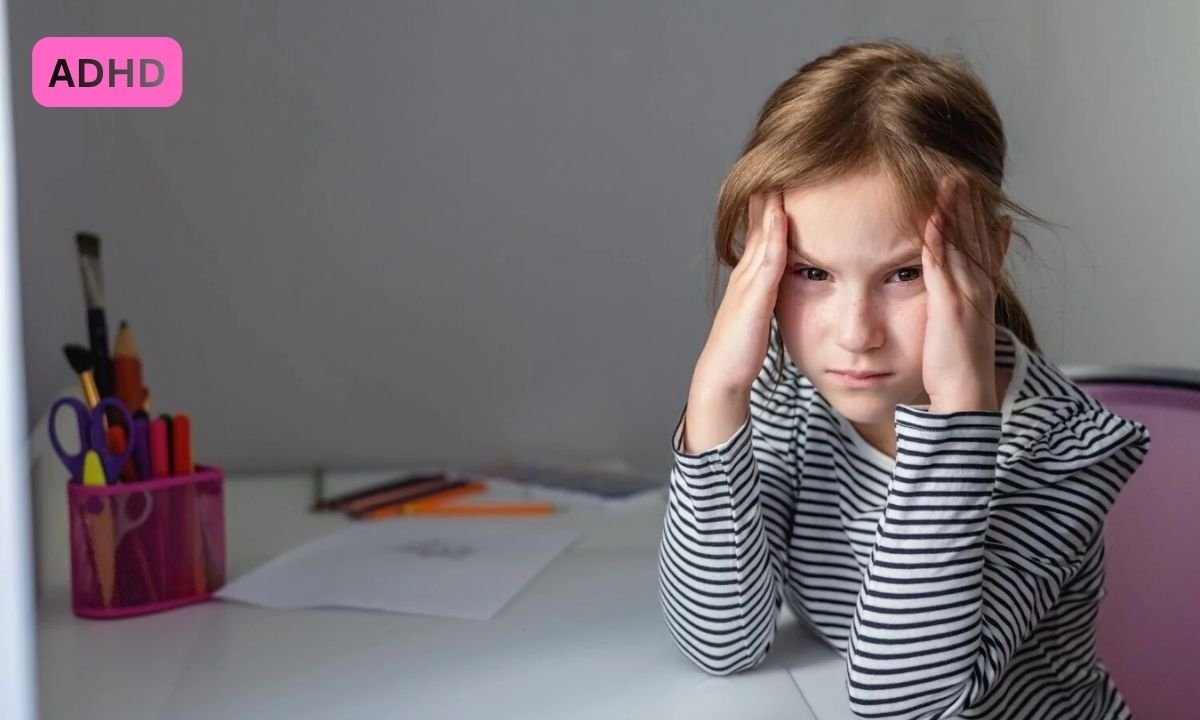
Sleep problems are extremely common in children with Attention-Deficit/Hyperactivity Disorder (ADHD). Many parents notice bedtime struggles, restless sleep, or difficulty waking up in the morning, but may not realize these issues are closely connected to ADHD symptoms.
Understanding the relationship between ADHD and sleep can help parents improve both rest and daily functioning for their child.
Why Children with ADHD Often Struggle With Sleep
ADHD affects brain activity and regulation, which can make it harder for children to settle down at night. Common sleep-related issues include:
- Difficulty falling asleep
- Frequent nighttime waking
- Restless sleep
- Trouble waking up in the morning
- Daytime fatigue and irritability
Hyperactivity and racing thoughts can make bedtime especially challenging.
How Poor Sleep Worsens ADHD Symptoms
Lack of sleep can intensify many ADHD-related difficulties, including:
- Inattention
- Emotional outbursts
- Hyperactivity
- Impulsiveness
- Difficulty concentrating
This creates a cycle where ADHD contributes to poor sleep, while poor sleep further worsens ADHD symptoms.
Signs Parents Should Watch For
Children experiencing both ADHD and sleep difficulties may:
- Resist bedtime regularly
- Feel tired during school hours
- Have trouble focusing in class
- Become emotionally reactive more easily
- Wake up frequently at night
If these symptoms continue over time, professional evaluation may be beneficial.
Practical Sleep Tips for Children With ADHD
Create a Consistent Bedtime Routine
Predictable routines help prepare the brain for sleep. Calm activities such as reading or listening to soft music can help children relax.
Reduce Screen Exposure Before Bed
Blue light from phones, tablets, and televisions can interfere with melatonin production and delay sleep.
Encourage Physical Activity During the Day
Exercise can improve sleep quality while also helping reduce ADHD symptoms.
Keep Bedrooms Calm and Comfortable
A quiet, dark, and cool room often supports better sleep. Some children benefit from white noise or calming sensory tools.
Avoid Stimulants Late in the Day
Sugary snacks and caffeinated drinks close to bedtime may worsen sleep difficulties.
When Professional Support Is Important
Persistent sleep problems can affect a child’s physical health, emotional well-being, and school performance. Professional ADHD assessment may help identify underlying causes and treatment options.
Families seeking specialized child mental health services can visit SeedMedicalHK for professional ADHD evaluations and individualized support plans.
Final Thoughts
Sleep and ADHD are closely connected, and improving sleep quality can often reduce daytime behavioral and emotional challenges. With consistent routines, healthy sleep habits, and professional support when needed, children with ADHD can experience better rest and improved daily functioning.