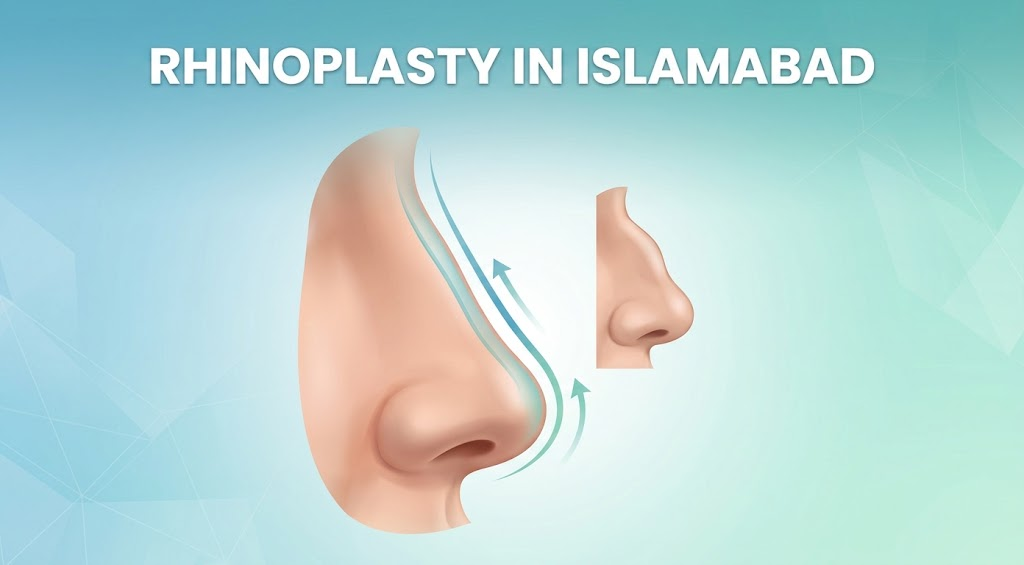
Rhinoplasty is a cosmetic and functional procedure designed to reshape the nose, improve facial balance, or address breathing concerns. Others seek correction after an injury or want better nasal airflow. Rhinoplasty in Islamabad has become an option for individuals who want access to experienced surgeons and modern clinical facilities while staying close to home. Understanding the procedure, preparation, recovery, risks, and expected results can help you approach the decision with realistic expectations.
What Is Rhinoplasty?
Rhinoplasty changes the structure of the nose by modifying bone, cartilage, soft tissue, or a combination of these elements. Depending on the patient’s goals, a surgeon may reduce a prominent bridge, refine the nasal tip, narrow the nostrils, straighten the nose, or improve symmetry. Some procedures are primarily cosmetic, while others combine appearance changes with functional correction.
In an open procedure, a small incision is made across the tissue between the nostrils, allowing broader surgical access. A closed approach uses incisions inside the nose. The appropriate method depends on anatomy, surgical goals, previous operations, and the surgeon’s assessment rather than on preference alone.
Why Do People Choose This Procedure?
Many patients want a nose that looks more proportionate to their other facial features. A balanced result usually focuses on harmony rather than creating a completely different facial identity. Rhinoplasty in Islamabad should aim for a result that complements your features.
Functional concerns can also influence the decision. A deviated septum, structural narrowing, or previous nasal injury may contribute to difficulty breathing. When appropriate, functional correction can be combined with cosmetic reshaping. Rhinoplasty in Islamabad may therefore involve both aesthetic and practical objectives, although each patient’s treatment plan should be individualized.
Choosing the Right Surgeon
The surgeon you select can have a major effect on safety, planning, and the final outcome. During consultation, ask about training, experience, expected results, possible complications, anesthesia, follow-up, and what happens if revision is ever required.
Reviewing before-and-after photographs can be useful, but photographs should not be treated as promises. Every nose has different skin thickness, cartilage strength, bone structure, and healing characteristics. A trustworthy surgeon should explain what is realistically achievable for your anatomy instead of encouraging an unrealistic goal.
Consultation and Treatment Planning
A detailed consultation is an important part of Rhinoplasty in Islamabad. The surgeon will typically discuss your concerns, medical history, previous nasal procedures, medications, allergies, breathing symptoms, and expectations. Photographs or digital imaging may sometimes be used to support communication about possible changes.
Good planning also involves understanding what should not be changed. Overcorrection can create an unnatural appearance or functional problems. You should have enough time to ask questions and understand the proposed procedure before scheduling surgery.
Preparing for Surgery
Preparation begins several weeks or days before the operation, depending on the individual plan. Your medical team may provide instructions about medications, supplements, smoking, alcohol, fasting, and skincare products. Arrange transportation and, if recommended, someone to stay with you during the early recovery period. Prepare a comfortable resting area, keep essential supplies nearby, and plan to avoid strenuous activities.
Following preoperative instructions carefully can make the surgical and recovery process smoother.
What Happens During the Procedure?
Rhinoplasty in Islamabad is generally performed under anesthesia selected according to the complexity of surgery and the patient’s needs. The surgeon makes carefully planned incisions, reshapes or repositions nasal structures, and closes the tissues while aiming for both stability and appearance. In some cases, cartilage from the septum or another approved source may be used to provide support.
The length of surgery varies according to the extent of correction and whether additional procedures are being performed. Afterward, the patient is monitored during the immediate recovery period. A splint or other support may be placed to protect the nose while initial healing begins. Your clinical team will explain when you can safely return home and what warning signs require attention.
Recovery and Downtime
Swelling, bruising, congestion, tenderness, and a feeling of pressure are common during the early recovery period. Appearance changes as swelling decreases. Although some improvement may be noticeable within weeks, the nose continues to settle gradually, and the final contour can take many months to become clear.
Patients are usually advised to protect the nose from accidental impact and follow instructions about sleeping position, exercise, cleaning, and medications. Returning to work depends on the type of work and the extent of bruising or swelling. Patience is important because early postoperative appearance is not a reliable representation of the final result.
Risks and Possible Complications
Like any surgery, rhinoplasty carries potential risks. These may include bleeding, infection, scarring, changes in sensation, breathing difficulties, asymmetry, dissatisfaction with appearance, or the need for revision. Complications are not guaranteed, but they should be discussed openly before treatment.
Choosing an appropriately qualified surgeon, providing accurate medical information, following postoperative instructions, and attending follow-up appointments can help support safer care. If you experience severe pain, persistent bleeding, fever, sudden breathing problems, or another concerning symptom, contact your surgical team promptly.
Understanding the Cost
The cost of Rhinoplasty in Islamabad can vary significantly. Factors may include the surgeon’s experience, facility charges, anesthesia, complexity of the correction, diagnostic assessments, medications, and follow-up care. A straightforward cosmetic procedure may have different costs from complex reconstructive or revision surgery.
Rather than choosing a provider based solely on the lowest price, compare what is included in the quoted fee. Ask whether consultation, anesthesia, facility charges, postoperative visits, medicines, and any necessary testing are covered. A clear written estimate can reduce unexpected expenses and help you compare options fairly and choosing a provider.
How to Set Realistic Expectations
A successful outcome should be judged by more than a dramatic before-and-after change. The best result often looks natural and suits the patient’s facial proportions. Your surgeon may not be able to reproduce a reference photograph because another person’s anatomy, skin, cartilage, and healing response are different.
Discuss your priorities clearly, but remain open to professional recommendations. Some changes may improve appearance while others could compromise nasal function. A careful treatment plan balances aesthetic goals with structural support and breathing. Understanding this balance is essential when considering Rhinoplasty in Islamabad.
Questions to Ask Before Surgery
Before committing to treatment, prepare a short list of questions. Ask which technique is recommended and why, what type of anesthesia will be used, how long recovery may take, when normal activities can resume, and what complications are most relevant to your case. You can also ask how follow-up appointments are handled and what support is available after surgery.
It is reasonable to ask what the surgeon expects the nose to look like over time and how swelling may affect the early result. If you have breathing problems, previous trauma, or earlier nasal surgery, mention these details during consultation. Complete information helps the surgeon plan more appropriately.
Final Thoughts
Rhinoplasty is a highly individualized procedure that requires thoughtful planning, realistic expectations, and careful postoperative care. Rhinoplasty in Islamabad can be considered by people seeking cosmetic refinement, functional improvement, or both, but the decision should follow a professional assessment rather than online comparisons alone.
Take time to research qualifications, understand the proposed technique, review costs, and discuss risks honestly. The goal of Rhinoplasty in Islamabad should be a safe, balanced result that fits your facial structure and personal needs. With informed decision-making and appropriate medical guidance, patients can enter the process with a clearer understanding of what surgery can and cannot achieve.