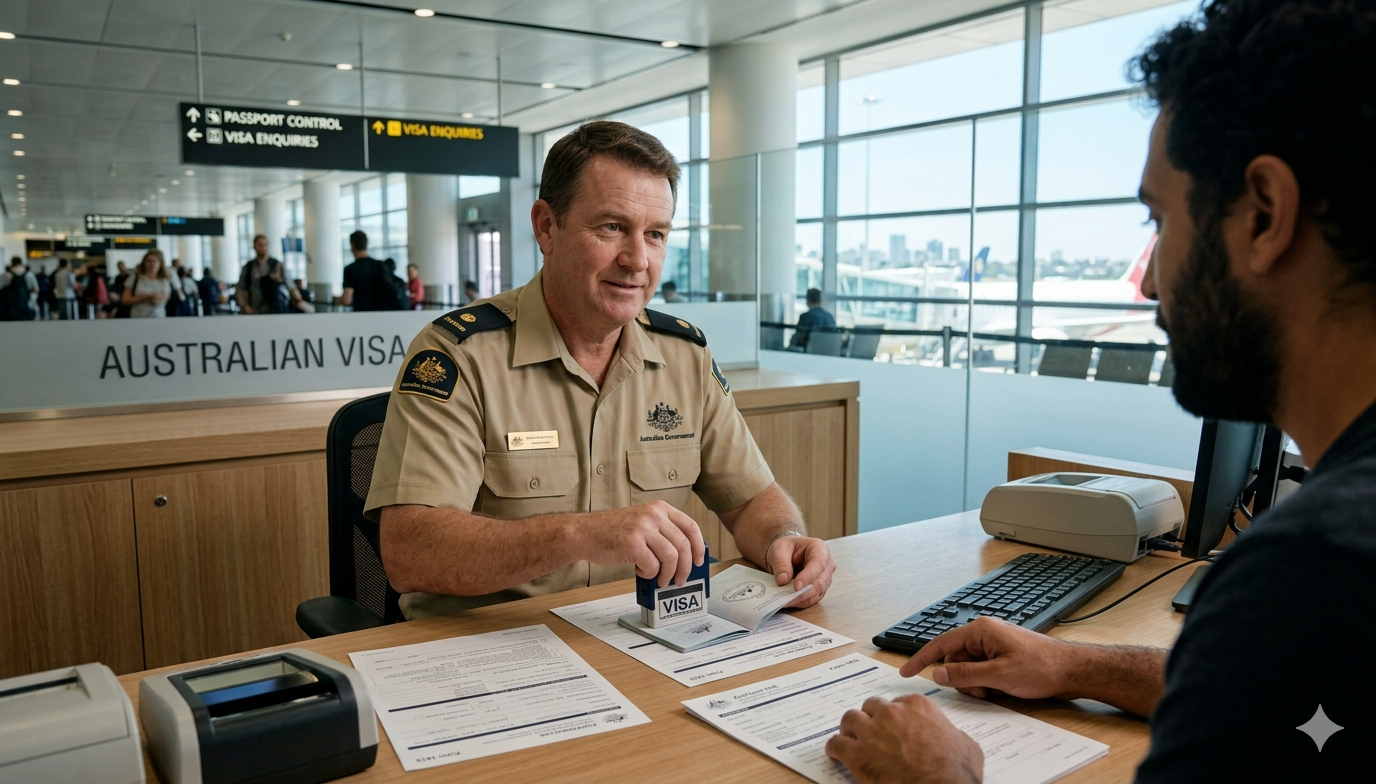
Applying for an Australian visa for the first time can be both exciting and overwhelming. Australia remains one of the world’s most popular destinations for skilled workers, students, tourists, and families because of its strong economy, excellent education system, high quality of life, and multicultural environment. However, the visa application process requires careful planning, accurate documentation, and a clear understanding of immigration requirements.
Many first-time applicants face delays or rejections simply because they overlook important details during the application process. Understanding the key steps involved can greatly improve the chances of a successful outcome. By preparing properly and following the right approach, applicants can avoid common mistakes and confidently move forward with their plans to study, work, travel, or settle in Australia.
Understand the Different Australian Visa Categories
One of the most important steps for first-time applicants is understanding the various Australian visa categories available. Australia offers multiple visa types depending on the purpose of travel, including student visas, skilled migration visas, tourist visas, family sponsorship visas, and business visas.
Choosing the correct visa category is essential because each type has different eligibility requirements, processing times, and documentation standards. Applicants should carefully review which visa best matches their goals before beginning the application process.
For example, students planning to study in Australia will need a student visa, while skilled professionals seeking employment opportunities may qualify for skilled migration pathways. Selecting the wrong visa type can lead to unnecessary delays or refusal.
Carefully Review Eligibility Requirements
Every Australian visa category comes with specific eligibility criteria. Applicants should thoroughly review these requirements before submitting their applications. Common eligibility factors may include age limits, educational qualifications, work experience, financial stability, health assessments, and English language proficiency.
Many applicants make the mistake of applying without fully understanding whether they meet the requirements. Taking the time to evaluate eligibility beforehand can save both time and money.
It is also important to ensure that all information provided during the application process is accurate and truthful. Inconsistent or misleading information may negatively impact the visa decision.
Prepare Accurate and Complete Documentation
Documentation plays a critical role in the success of an Australian visa application. Missing or incorrect documents are among the most common reasons applications are delayed or refused.
Applicants should create a checklist of all required documents before starting the process. Depending on the visa category, these documents may include:
- Valid passport
- Educational certificates
- Employment records
- Financial statements
- English language test results
- Health examination reports
- Police clearance certificates
- Sponsorship or invitation letters
All documents should be properly translated into English if required. Applicants should also ensure that scanned copies are clear, complete, and up to date.
Submitting organized and accurate documentation demonstrates professionalism and improves the overall strength of the application.
Pay Attention to English Language Requirements
Many Australian visa categories require proof of English language ability. International applicants may need to complete approved language tests such as IELTS, PTE, or TOEFL to demonstrate their communication skills.
Applicants should prepare for these exams well in advance to achieve the required scores. Strong English proficiency not only supports visa approval but can also improve educational and employment opportunities after arriving in Australia.
Understanding the minimum score requirements for a specific visa category is extremely important before booking the exam.
Plan Financially Before Applying
Financial preparation is another essential factor for first-time Australian visa applicants. Australia requires many visa holders to show proof of sufficient funds to support themselves during their stay.
Applicants may need to provide bank statements, proof of income, sponsorship documents, or financial guarantees depending on the visa type. Students, for example, may need to demonstrate they can cover tuition fees, accommodation, travel, and living expenses.
Careful financial planning helps applicants avoid complications during the visa process and ensures a smoother transition after arrival in Australia.
Submit Applications Early
Visa processing times can vary significantly depending on the type of Australian visa and the number of applications being handled at the time. First-time applicants should avoid waiting until the last minute to apply.
Submitting applications early provides extra time to respond to additional document requests, complete medical examinations, or address unexpected delays. Students should especially apply well before their academic intake dates to avoid complications with enrollment and travel planning.
Early preparation also reduces stress and allows applicants to focus on other important arrangements.
Be Honest and Consistent Throughout the Process
Honesty is extremely important during the Australian visa application process. Immigration authorities carefully review all information submitted by applicants. Any false statements, fake documents, or inconsistencies may result in refusal or future immigration restrictions.
Applicants should ensure that details such as employment history, education records, travel history, and financial information remain consistent across all forms and supporting documents.
Being transparent and truthful helps establish credibility and improves the chances of a successful outcome.
Understand Health and Character Requirements
Australia maintains strict health and character standards for many visa categories. Applicants may be required to complete medical examinations through approved healthcare providers and submit police clearance certificates from countries where they have lived.
These requirements are designed to protect public health and safety. Completing health checks and character documentation promptly can help avoid unnecessary delays in visa processing.
Applicants should also keep copies of all medical reports and official certificates for future reference.
Seek Professional Guidance if Necessary
The Australian immigration system can sometimes be complex, especially for first-time applicants unfamiliar with visa procedures. Seeking professional assistance from qualified migration consultants or visa experts may help applicants better understand the process and avoid common mistakes.
Professional guidance can be especially useful for individuals applying under skilled migration programs, business visas, or family sponsorship categories. Experts may assist with document preparation, eligibility assessment, and application review.
However, applicants should always ensure they work with trusted and properly authorized professionals.
Stay Updated on Immigration Rules and Policies
Australian immigration policies may change over time based on government priorities and economic conditions. Visa requirements, occupation lists, financial thresholds, and processing procedures can all be updated periodically.
First-time applicants should stay informed by checking official immigration updates regularly. Relying on outdated information from unofficial sources may lead to confusion or application errors.
Keeping track of current visa policies helps applicants make informed decisions throughout the process.
Prepare for Life in Australia
Receiving an Australian visa is only the beginning of the journey. Applicants should also prepare for life after arrival by researching Australian culture, housing options, transportation systems, employment opportunities, and educational institutions.
Understanding local customs and workplace expectations can help newcomers adapt more easily to their new environment. Building basic knowledge about Australia before arrival can reduce stress and improve confidence during the transition.
Many migrants find that proper preparation allows them to settle more comfortably and make the most of the opportunities available.
Conclusion
Applying for an Australian visa for the first time can be a life-changing opportunity when approached with proper planning and preparation. Understanding visa categories, meeting eligibility requirements, organizing accurate documentation, and staying informed about immigration policies are all essential steps toward success.
Australia continues to attract international students, skilled professionals, tourists, and families because of its strong economy, quality education system, excellent healthcare, and outstanding lifestyle opportunities. By following the right strategies and avoiding common mistakes, first-time applicants can improve their chances of securing a visa and beginning an exciting new chapter in Australia.
Careful preparation, honesty, and attention to detail remain the keys to navigating the Australian visa process successfully and confidently.